

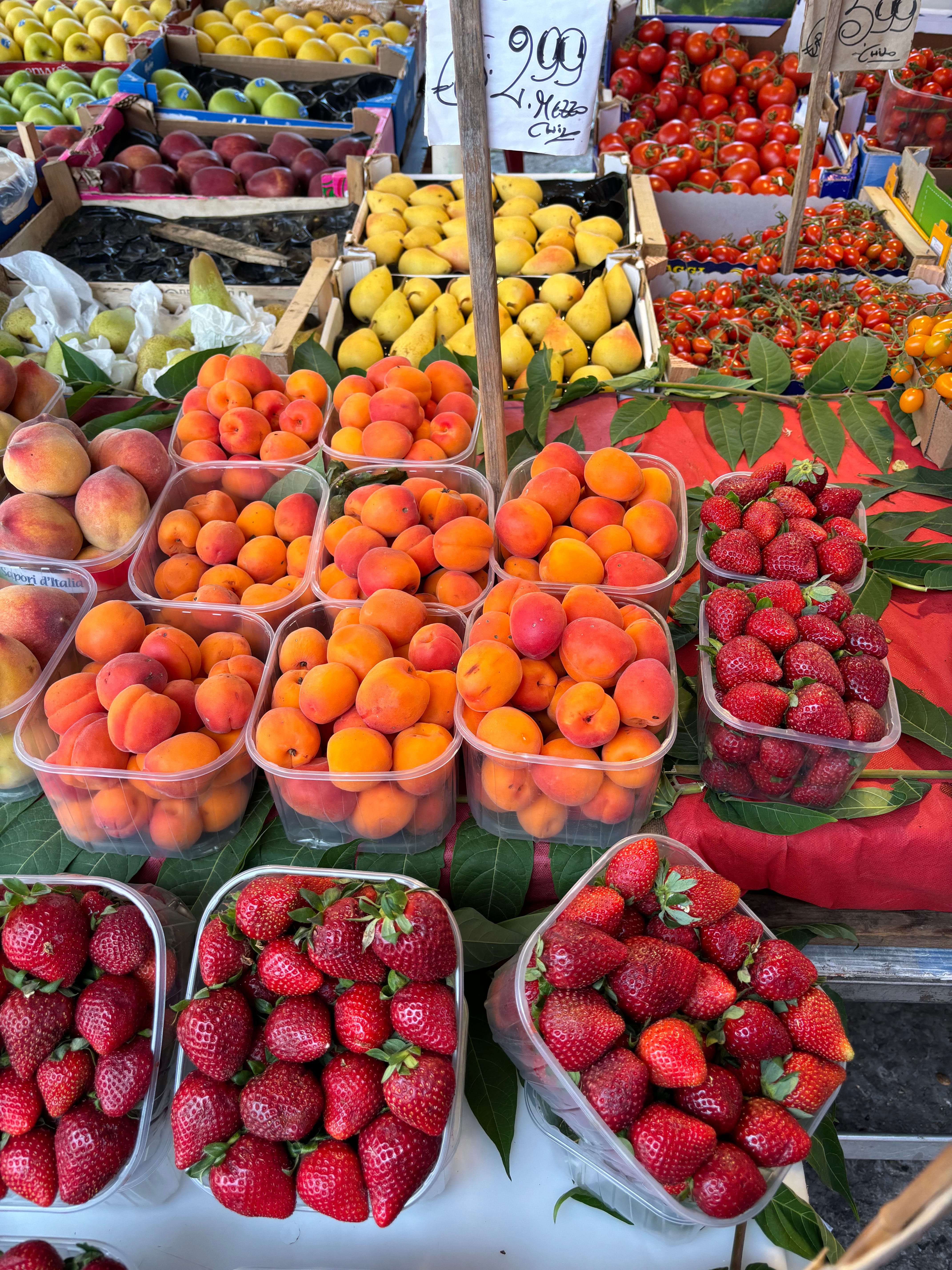
“I thought we talked about tomato salad.”
“We did. But the tomatoes tasted like cardboard so I swapped it.”
“Well, that Caesar sounds interesting.”
The substitute: Grilled chicory Caesar, fried boquerones, aged balsamico
When I cooked as a private chef, I usually had carte blanche to cook what looked best and make extra things to experiment. Rarely would my boss ask for certain things.
The requests were usually the family favorites.
Tomato salad was one of them. But it was winter.
I had never said no, but for some reason I felt I needed a backup given the season.
“Ok, I was a little disappointed not to have the tomatoes, but I want you to tell me when something shouldn’t be eaten or didn’t look good.”
From then on, even if he requested something, if it didn’t look good, I changed it.
This is the final article in a four-part series about seasonal eating:
Part 1: Whether fresh, frozen, stored or imported is best.
Part 2: What “in season” means in a global food system.
Part 3: Whether seasonal produce is actually more nutritious.
Part 4: How much seasonality should influence what we buy and eat. (You’re here.)
In this final part, we’ll bring everything together: what matters more than seasonality, how to choose great produce like a chef, and a simple weekly approach to eating well all year.
Each season, subscribers get that season’s guide: what’s at its peak, what to try and what to skip.
How We Got Here
Part 1 argued that “fresh” describes how produce looks when you buy it, not where it’s been. Fresh, frozen, stored, local and imported describe a journey, and none is automatically better. Frozen often matches refrigerated produce on nutrients. Long transit and storage can quietly wear down flavor and vitamin C. The test is condition. Inspect it, then choose for your dish.
Part 2 showed that “in season” isn’t a date on the calendar. It depends on three things. Where food grew, when it was harvested, and how it was grown. This could be in an open field or a greenhouse. The same produce can be in season in one place and out of season somewhere else that week.
Part 3 looked at nutrients, vitamins, and plant compounds. They can rise and fall with the season, the weather, the variety, and how ripe it was when picked. This change can be unpredictable. So “in season” doesn’t reliably mean more nutritious. There is still insufficient evidence that eating seasonally on its own improves health outcomes.1
So if fresh, seasonal and local can’t guarantee better health, what actually matters?
What Matters More Than Season
A 2021 study found that five servings a day (3 vegetables, 2 fruits) was linked to the lowest risk of death.2 Higher intakes showed no further reduction in that analysis. The study is observational.
Leafy greens and vitamin C-rich produce were linked to benefit. The study didn’t find the same link for starchy vegetables like peas, corn, potatoes and fruit juice. That doesn’t mean they aren’t worth eating. This study just didn’t find the same benefit.
The U.S. Centers for Disease Control and Prevention also stated that only about one in 10 adults eat enough fruits or vegetables.3
The answer: Variety.
Eat a variety, and spread your bets. It isn’t proven to cancel out seasonal shifts, but it covers more ground than eating the same few things.
If frozen makes you eat more vegetables, buy frozen. That beats going without. Don’t let fresh versus frozen stop you from eating either.
I like fresh vegetables for the texture, and eat them most, but I have started eating more frozen too.
How a Chef Chooses Produce
After 25 years as a chef, I always recommend finding the best ingredients of the season and learning where they come from.
The best produce doesn’t always look the best. I’ve learned to trust more than my eyes.
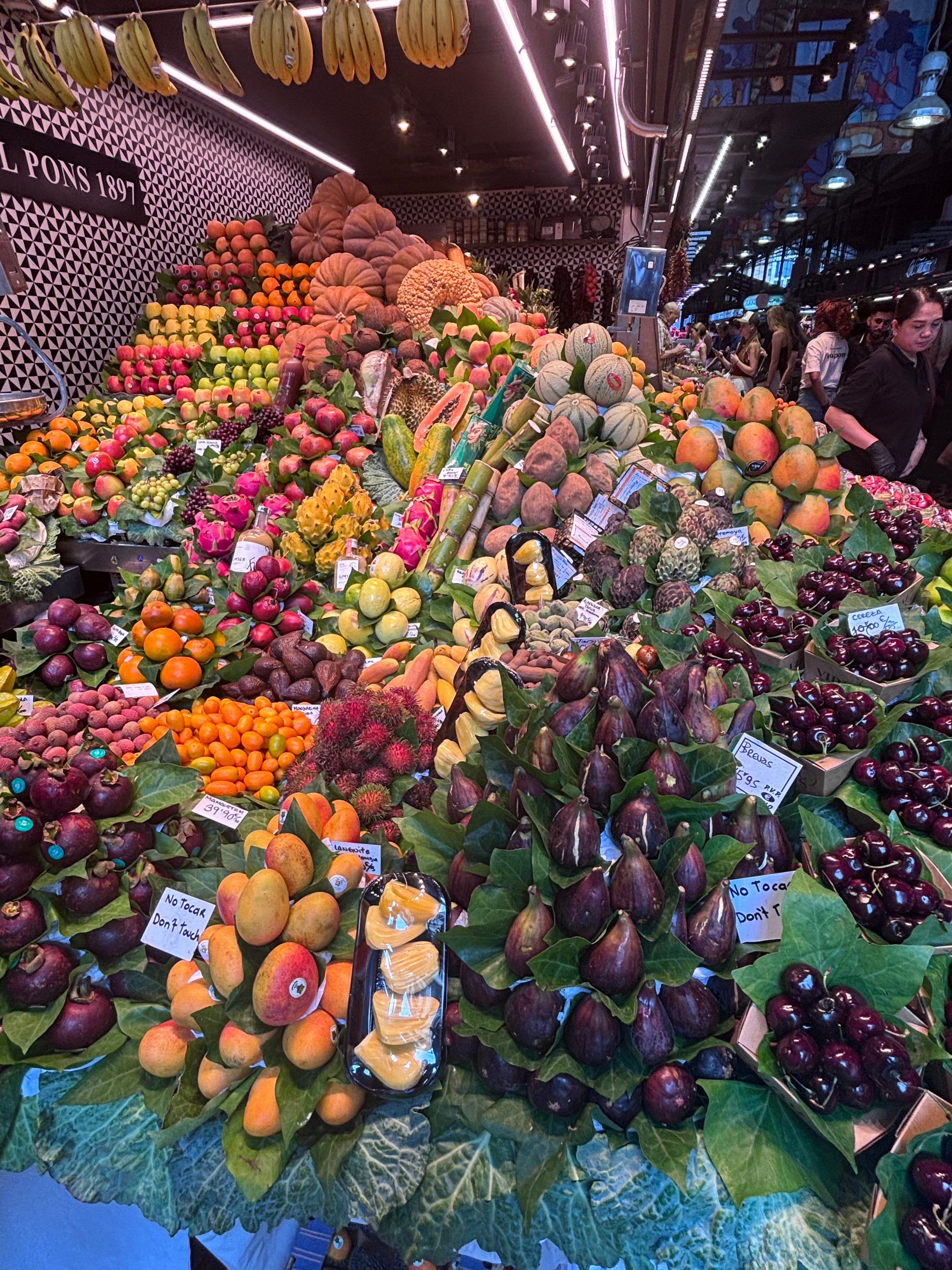
Here is a simple way to remember what to look for: SCENT.
S - Season: What’s naturally at its peak now? We have covered in Part 2 that this has nuance, but usually the products that are in season are going to taste better.
C - Color: Does it have the color you expect when ripe? Sometimes the best apple is a little duller or less perfect. A gnarly heirloom tomato that looks like a mutant is usually the best in season. Learn what the best color of things is and let this be a step to guide you.
E - Examine: Feel for texture and weight. Is it firm, heavy, or soft where it should be? The firmness of a crisp fall apple, the heaviest melons during summer, and the gentle give of a perfect peach or avocado. Knowing what to look for is key. Remember how something great felt in your hand and work backward from there.
N - Nose: Does it smell like something you would eat? It’s always a good sign when something smells good before you approach it. That is usually only at peak, but it’s important to smell things. For fragrant fruits like peaches, smell them near the stem. For cantaloupes, try the blossom end opposite the stem.
Smell everything. You’ll start noticing scents you never knew you were missing.
T - Taste: How does it taste? Whenever possible, taste before buying. Ask if you can try. If not, remember how it looked when you bought it and what it felt like before you ate it or cut it.
Next time you are at the market, remember SCENT.
Start with the season and let your senses guide you.
It’s how you learn what good actually tastes like.
Chef Tip: Create a relationship with someone in your produce department or market. They can tell you what is best, when it’s coming in, when it’s peaking and usually are willing to let you taste. Also, they will let you know if there’s more in back, or what day it’s expected to come in.
Let the Season Lead, Not Rule
Lead with what’s at its peak where you live.
Sometimes this isn’t possible, but double down any time it is. This is where the enjoyment of the season happens. It’s fun to catch the lightning bolt.
Fill your kitchen with hardy produce that stores and travels well: roots, alliums, citrus and cabbage. Enhance this base with the best of each season.
Back up with frozen for variety and convenience. Always having a quick hearty soup or bake is good for your health and peace of mind. It also ensures that a good decision (quick healthy meal) is close by when when you are tired and tempted to order takeout.
The season is usually a good guide to flavor, but not always a guarantee of nutrition (Part 3).
Variety and quantity matter more.
When to Swap
The dish is the idea, the ingredients can change.
The better way to approach food is to swap it by the job the ingredient does, not its name.
Acid, sweetness, crunch, bitterness, juiciness, fat, salt.
To use the example from the opening of the article, the tomato salad’s job was acid, sweetness and freshness.
The swap was the chicory Caesar. In winter, chicory brings bitterness and crunch, the boquerones salt and fat, and the balsamico the sweetness and acid. The dressing adds the umami and enlivens the rest.
The goal wasn’t to recreate the tomato salad. It was to find a different balance of flavors and textures that worked just as well.
Here are five swaps you can use this coming month:
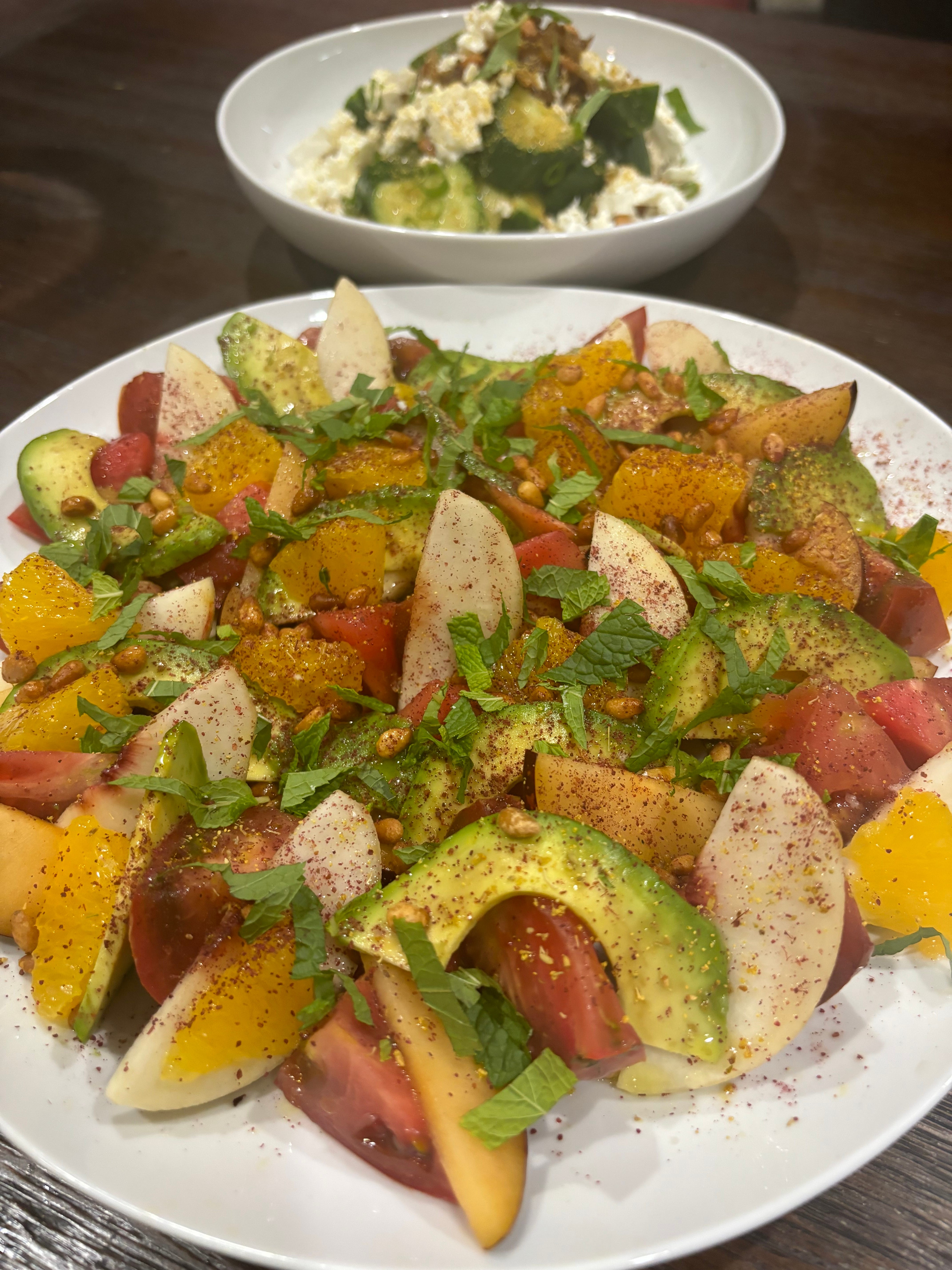
Winter tomatoes → good canned tomatoes for cooking, or citrus for salads.
Out-of-season berries → frozen berries for breakfast, smoothies or desserts.
Tired fresh spinach → frozen spinach for soups, sautés or cooked dishes.
Out-of-season asparagus → broccoli or Brussels sprouts for roasting or sautéing.
Bland summer fruit in winter → ripe pears, apples, kiwis or citrus.
When not to swap: When the dish exists for just that ingredient. Fresh figs with prosciutto need great figs. If they're not good, skip the dish rather than make a bad version.
A Simple Weekly Approach
1. Pick one peak-season item to build meals around.
For winter, choose broccoli one week, Brussels sprouts or sweet potatoes another. Those are three examples and changing it up enhances the meals.
2. Keep two or three frozen staples on hand.
Your favorite frozen veggies are quick steps away. Frozen broccoli, spinach, and green beans are good staples.
3. Aim for five servings of vegetables and fruit per day (3 vegetables, 2 fruits) from mixed sources.
Berries with breakfast. An orange, apple or pear somewhere else in the day. A small salad, some spinach and carrots and you have done it.
I’ve found that once I eat more of them and start feeling better, I actually crave vegetables.
4. When something looks bad, swap it.
Don’t force it. If the broccoli looks bad, choose Brussels sprouts. If they are out of spinach, add a salad.
Bonus: Each time you shop, try something in season that you don’t normally eat. I guarantee you will add things you like to your list. It just takes a bit to know an ingredient.
Yes Chef!
“I want you to tell me when something shouldn’t be eaten or didn’t look good.”
— my former boss
Life is not absolute and making a meal for your family shouldn’t be either. Embrace the diversity of your menu and what is special each season. When you make a decision to change something you are only helping those who you are cooking for.
You are now the private chef for your own table, and you have permission to change the plan.
What’s one fruit or vegetable you look forward to every year?
Live well,
Nathan
The Winter Seasonal Guide Is Coming.
Discover why kiwis and sweet potatoes deserve a place in your kitchen this winter and why fresh tomatoes might not.
Subscribe to get each season’s guide.
Educational only, not medical advice. Consult your physician before changing your health, diet, or exercise routine.
Sources
Macdiarmid, J. I. (2014). “Seasonality and dietary requirements: will eating seasonal food contribute to health and environmental sustainability?” Proceedings of the Nutrition Society, 73(3), 368–375. https://doi.org/10.1017/S0029665113003753
Wang, D. D., et al. (2021). “Fruit and Vegetable Intake and Mortality.” Circulation, 143(17), 1642–1654. https://pmc.ncbi.nlm.nih.gov/articles/PMC8084888/
Lee, S. H., et al. (2022). “Adults Meeting Fruit and Vegetable Intake Recommendations — United States, 2019.” MMWR, 71(1), 1–9. https://www.cdc.gov/mmwr/volumes/71/wr/mm7101a1.htm
I like the idea of swapping ingredients by the role they play in a dish, it makes cooking with the season feel creative instead of restrictive. The SCENT checklist is a lovely reminder to slow down and trust what we can see, feel, smell, and taste.